






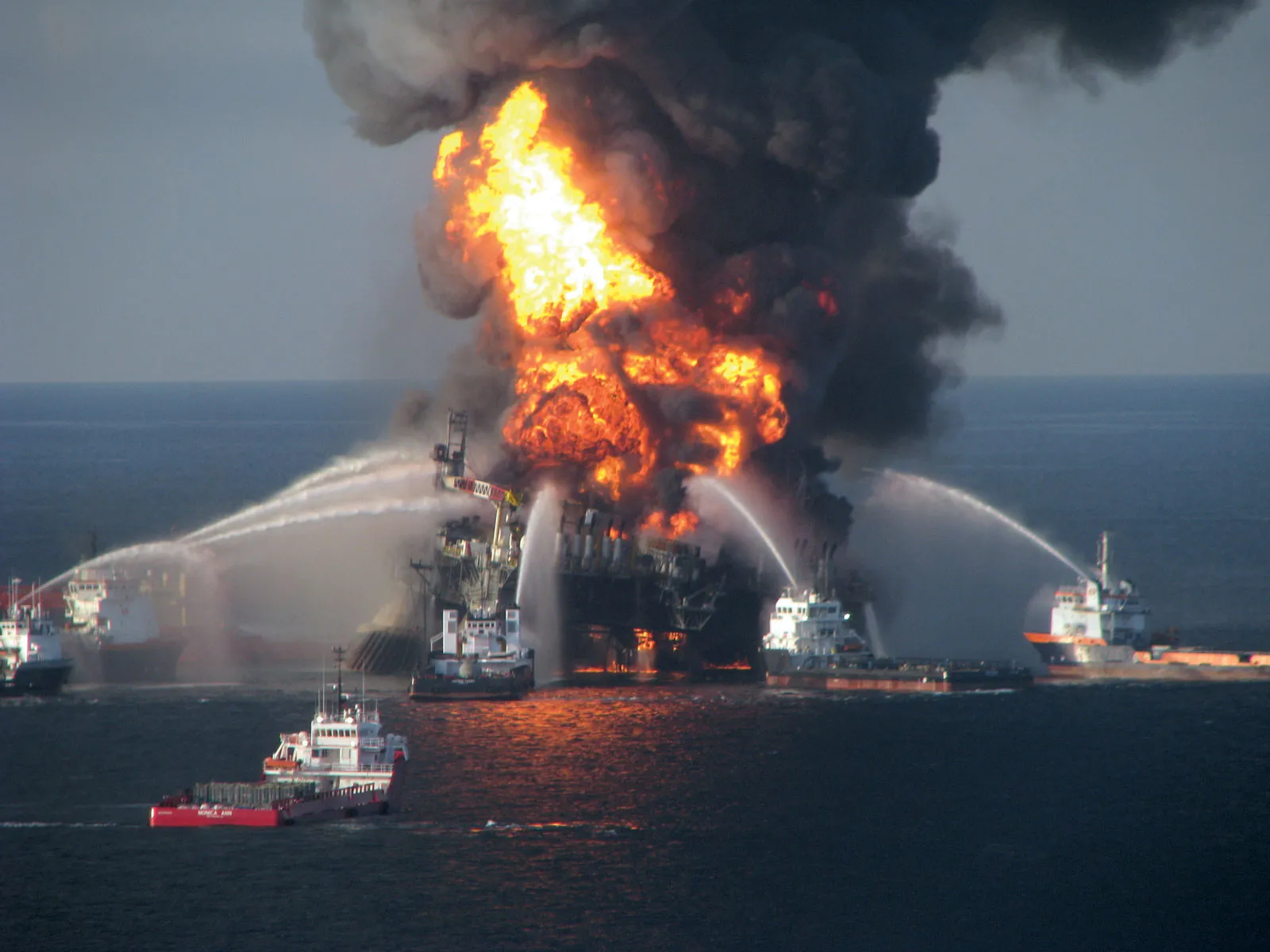
Oil rig spills are major environmental disasters. They devastate ecosystems, harm wildlife, and impact human communities. Here, we explore some of the most significant oil rig spills in history. We will look at why they were so large and the damage they caused.
The Deepwater Horizon Spill
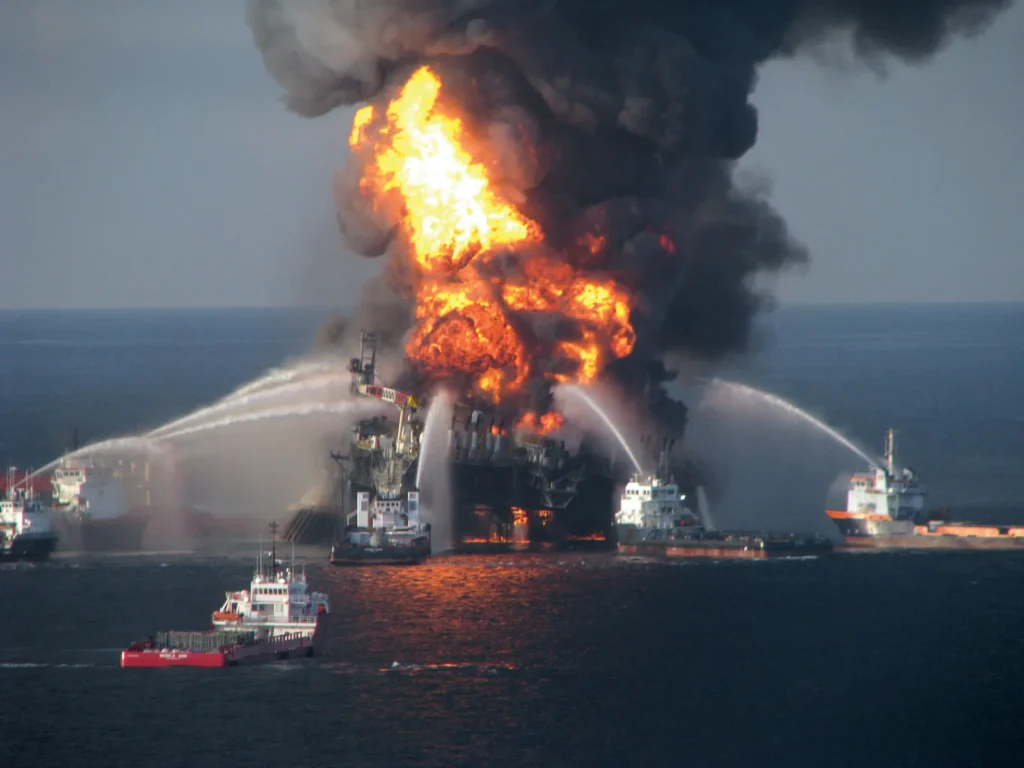
In April 2010, the Deepwater Horizon oil rig exploded in the Gulf of Mexico. This event is known as the largest marine oil spill in history. The explosion killed 11 workers and released millions of barrels of oil into the ocean. The spill lasted for 87 days before engineers capped the well.
The impact on the environment was severe. The oil spread across the Gulf, contaminating beaches and wetlands. Wildlife suffered immensely. Birds, fish, and marine mammals died in large numbers. The local fishing and tourism industries also took a hit. This disaster highlighted the risks associated with deepwater drilling and led to new regulations.
The Ixtoc I Spill
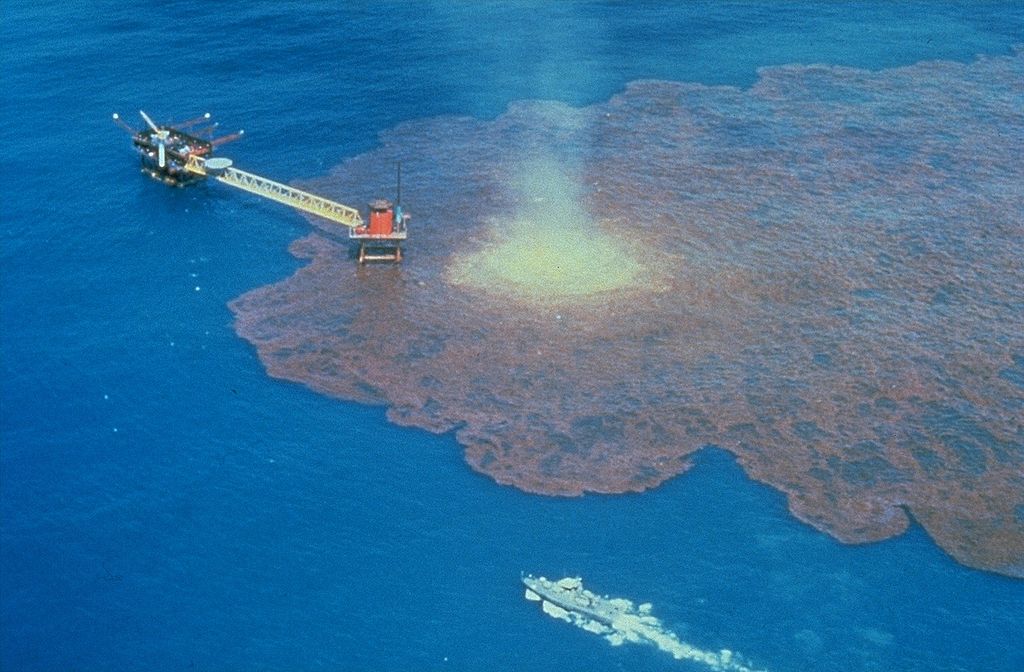
In June 1979, the Ixtoc I oil rig suffered a blowout in the Bay of Campeche, Mexico. This spill is one of the largest in history. It took engineers almost a year to stop the leak. During this time, the well released millions of barrels of oil into the sea.
The oil spread across the Gulf of Mexico, reaching the coastlines of Mexico and Texas. Marine life suffered significant harm. Fish, turtles, and birds were among the victims. The spill also affected the local economy, especially the fishing industry. This event underscored the need for better safety measures in offshore drilling.
The Exxon Valdez Spill
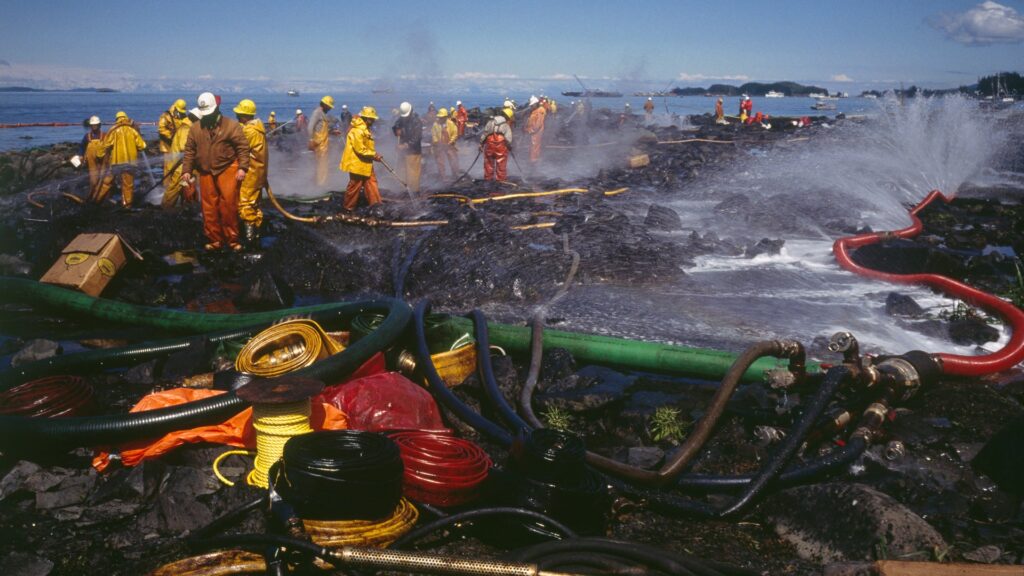
In March 1989, the Exxon Valdez oil tanker struck a reef in Prince William Sound, Alaska. Although not an oil rig spill, its impact was profound. The tanker released hundreds of thousands of barrels of crude oil into the pristine waters.
The spill devastated the local environment. Thousands of birds and marine animals died. The fishing industry, crucial to the local economy, faced a severe blow. The Exxon Valdez spill led to major changes in oil transportation regulations and practices.
The Montara Spill
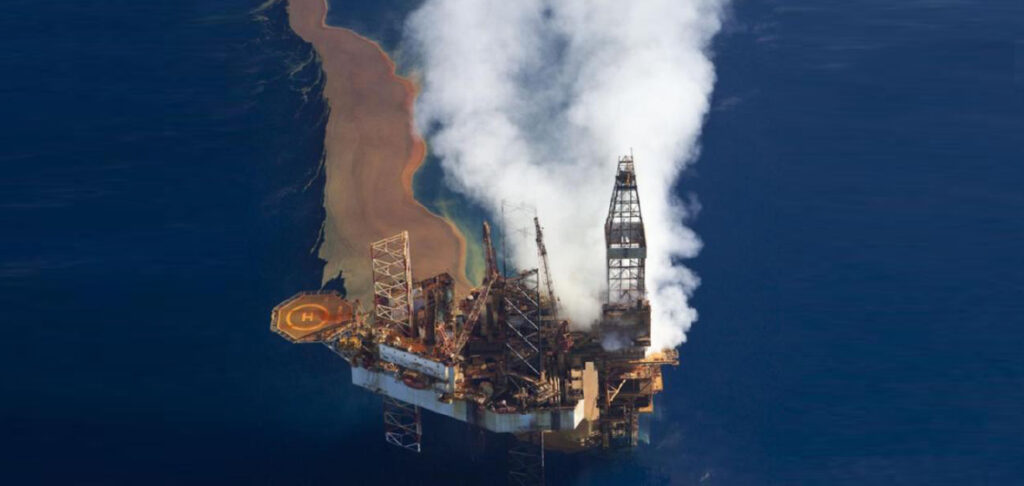
In August 2009, the Montara oil platform in the Timor Sea experienced a blowout. The spill lasted for over two months, releasing thousands of barrels of oil into the sea. This event is one of Australia’s worst oil spills.
The oil spread across a vast area, affecting marine life and ecosystems. Fish and birds suffered significant harm. The spill also impacted the livelihoods of local fishermen. The Montara spill highlighted the need for better oversight and stricter safety regulations in offshore drilling operations.
The Amoco Cadiz Spill
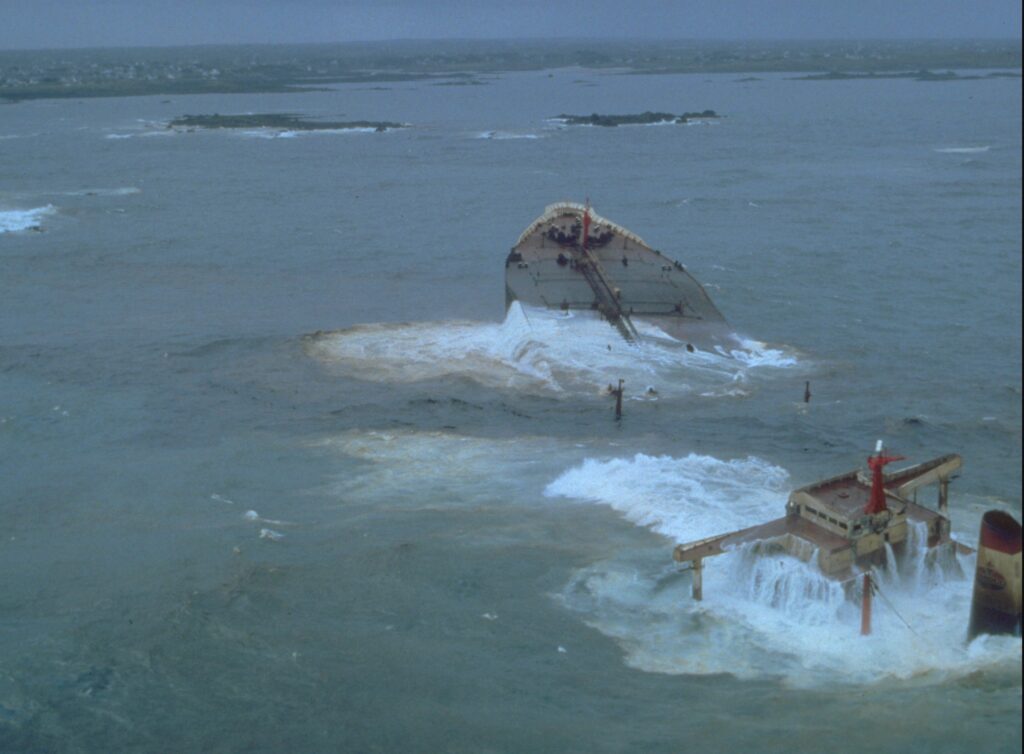
In March 1978, the oil tanker Amoco Cadiz ran aground off the coast of Brittany, France. While not an oil rig spill, it is worth mentioning due to its scale and impact. The tanker released hundreds of thousands of barrels of oil into the sea.
The oil spread along the French coast, causing widespread environmental damage. Marine life, including fish and birds, suffered greatly. The spill also harmed the local economy, especially the fishing and tourism industries. The Amoco Cadiz disaster led to changes in international regulations for oil transportation.
The Taylor Energy Spill
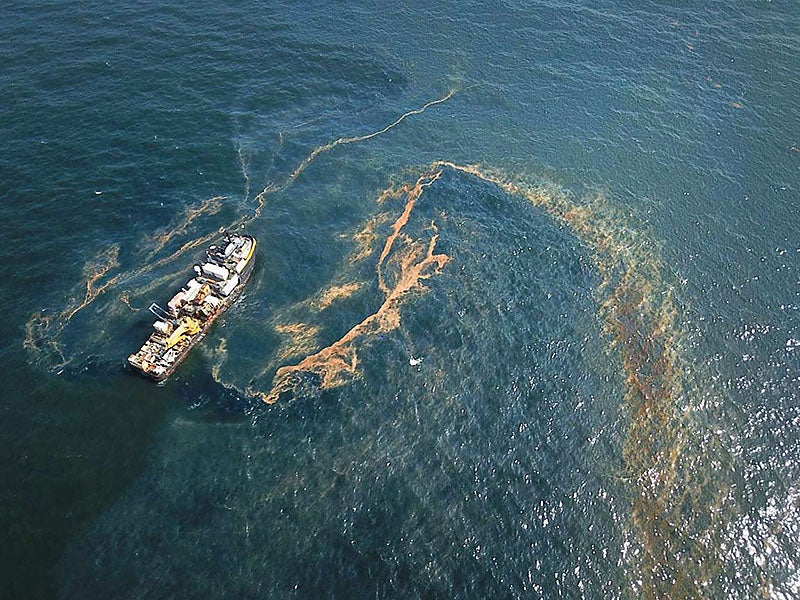
In September 2004, Hurricane Ivan caused significant damage to the Taylor Energy oil platform in the Gulf of Mexico. The resulting spill has become one of the longest ongoing oil spills in history. The platform continues to leak oil into the Gulf, years after the initial incident.
The long-term environmental impact is substantial. Marine life in the affected area continues to suffer. The Taylor Energy spill underscores the lasting consequences of oil spills and the challenges in addressing them.
Conclusion
Oil rig spills have caused some of the most severe environmental disasters in history. The Deepwater Horizon, Ixtoc I, Montara, and Taylor Energy spills, along with tanker incidents like Exxon Valdez and Amoco Cadiz, show the risks associated with oil drilling and transportation. These events have led to changes in regulations and practices, aimed at preventing future spills. However, the impact of these spills serves as a stark reminder of the potential dangers of offshore drilling.
