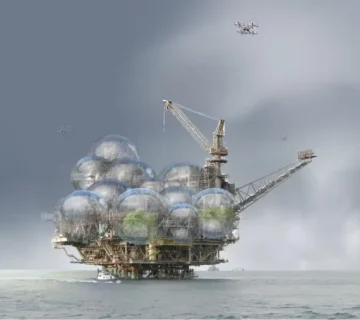





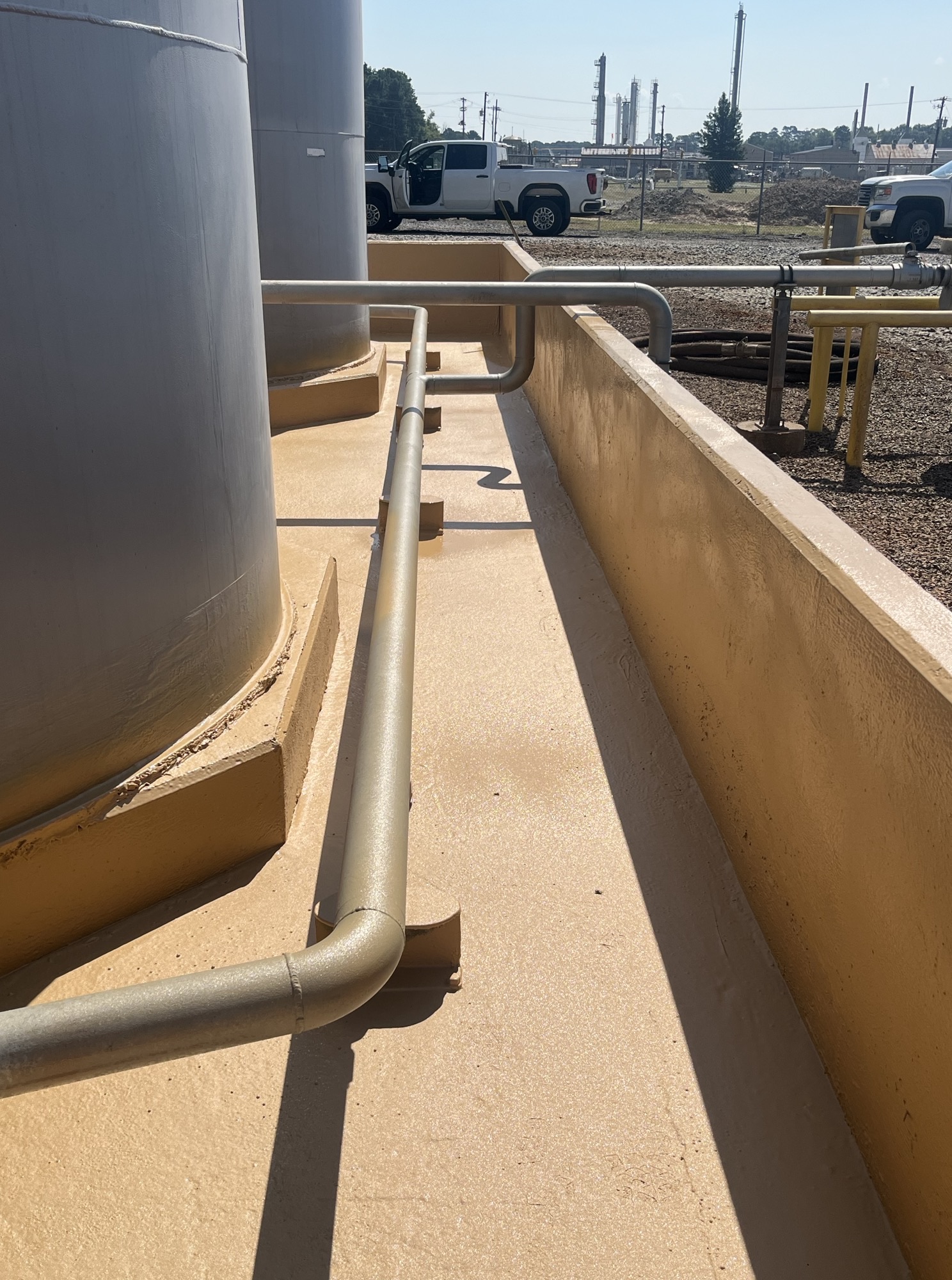
Oil spills pose serious environmental threats. When they occur, quick action is crucial. Understanding the methods to manage these spills helps reduce their impact. This article delves into techniques used in oil spill management.
Early Detection and Notification
Detecting oil spills early limits damage. Technology plays a key role in this. Satellites observe vast ocean areas, spotting oil slicks quickly. Drones provide close-up views, aiding swift assessment. Automated sensors on oil rigs detect leaks, sending alerts instantly. Quick notification allows for immediate mobilization of response teams. By acting fast, responders can prevent spills from spreading.
Containment: Stopping the Spread
Once detected, containing the oil becomes the priority. Containment booms are essential tools here. They float on the water, forming barriers around the spill. This prevents the oil from reaching shores or spreading further. Responders deploy these booms swiftly, encircling the oil. Calm seas increase boom effectiveness, but rough waters pose challenges. Despite these challenges, booms remain a staple in initial response efforts.
Skimming: Removing Oil from Water
Skimming follows containment. Boats equipped with skimmers remove oil from the water’s surface. These machines scoop up the oil, separating it from water. Responders must work quickly to remove as much oil as possible. The efficiency of skimmers depends on oil thickness and sea conditions. Calm seas allow better skimming, while waves may hinder progress. Nonetheless, skimming remains a foundational technique in spill response.
Chemical Dispersants: Breaking Down Oil
Dispersants offer another approach to managing spills. They break down oil droplets, helping them mix into the water. This reduces the oil’s impact on surface wildlife. Planes or boats spray dispersants directly on spills. The effectiveness of dispersants depends on the type of oil and sea conditions. Scientists continue to study their long-term effects on marine ecosystems. Despite uncertainties, dispersants are widely used in oil spill responses.
Bioremediation: Nature’s Cleanup Crew
Nature also plays a role in cleaning up oil. Bioremediation uses microorganisms to break down oil naturally. These microbes digest oil, reducing environmental harm. Bioremediation works best in sunny, warm conditions. It takes time but offers a less intrusive cleanup method. Researchers are enhancing microbial strains to improve efficiency. This method showcases how harnessing nature can complement human efforts.
Shoreline Cleanup: Protecting Coastal Areas
When oil reaches land, shoreline cleanup becomes critical. Manual removal involves workers cleaning beaches with shovels and buckets. In some cases, high-pressure hoses wash oil from rocks. Care is taken to not harm fragile ecosystems during cleanup. Sensitive areas may require hand cleaning to minimize further damage. Each shoreline presents unique challenges, requiring tailored approaches.
Innovative Technologies: The Future of Spill Response
Emerging technologies hold promise for future spill responses. Autonomous drones can patrol large areas, detecting spills more efficiently. Advanced materials are being developed to absorb oil more effectively. Machine learning aids in predicting spill movement, guiding better response efforts. These innovations aim to enhance efficiency and reduce environmental impact. As technology evolves, so will our ability to manage oil spills.
In conclusion, tackling oil spills requires a combination of techniques. Early detection, containment, skimming, dispersants, and bioremediation all play roles. Each method has strengths and limitations. The key is prompt, effective response to minimize damage. Continuous improvement and innovation will ensure better preparedness for future spills.