






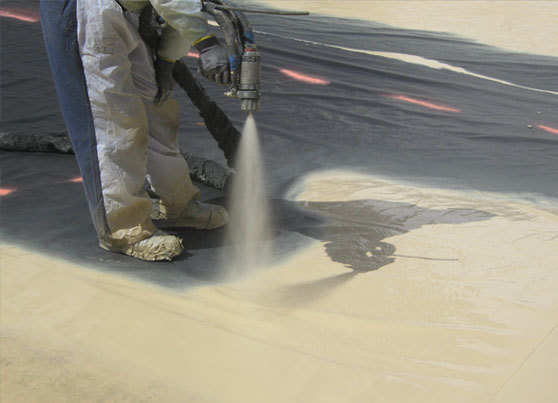
The oil drilling industry operates in some of the environments on the planet. Structures and equipment are continuously exposed to elements like saltwater, extreme temperatures and corrosive substances. In these conditions, safeguarding assets from wear and deterioration is crucial. Polyurea has become a solution that caters to the requirements of the oil drilling sector, providing dependable protection and prolonging the lifespan of essential infrastructure.
Polyurea is recognized for its toughness and flexibility as an elastomer. When used as a coating, it creates a layer that tightly adheres to various surfaces. This layer serves as a shield, safeguarding the material from harm caused by factors and operational pressures. In the realm of oil rigs, where risks are high, and downtime is expensive, polyurea offers a defense against external conditions.
A significant benefit of polyurea in the oil drilling industry lies in its resistance to corrosion. Offshore rigs face exposure to saltwater, which can be highly corrosive to metal structures. Over time, this exposure can compromise the rig’s integrity, raising safety issues and necessitating repairs. The corrosion-resistant properties of polyurea help mitigate damage.
When applied to metal surfaces, it forms a layer that prevents moisture and salt from causing damage, preserving the metal and prolonging its lifespan.
Aside from shielding against corrosion, polyurea also provides abrasion resistance. Oil rigs are bustling places with machinery and tools in operation. The surfaces endure impacts, scratches and wear from activities. The robust polyurea coating can endure this wear and tear, maintaining its properties in demanding conditions. This durability reduces the frequency of repairs and recoating needed cutting down on maintenance expenses and ensuring operations.
The flexibility of polyurea is another advantage for the oil rig sector. Offshore structures experience movement due to waves, wind, and changing equipment loads. A rigid coating may develop cracks in situations compromising its capabilities. Polyurea stays flexible, adapting to the structure’s movements while keeping its integrity intact. This flexibility guarantees that the coating continues to safeguard the surface as the rig withstands pressures.
The rapid curing time of polyurea also proves advantageous for oil rigs where time is a factor. Conventional coatings may take days to set, whereas polyurea solidifies within minutes. This swift curing process allows for application and minimal downtime.
Coatings can be swiftly applied to rigs and put back into operation, minimizing disruptions. This efficiency is especially beneficial during maintenance or upgrade projects, where reducing downtime is crucial.
The versatility of polyurea also applies to how it’s applied. It can be sprayed on surfaces like metal, concrete and wood ensuring protection for different rig sections. Polyurea can cover all areas, creating a shield across the entire structure, whether it’s the deck, walkways, or structural elements. This flexibility makes polyurea a preferred choice for safeguarding a variety of materials on an oil rig.
Considering the impact of oil rig activities is vital. Polyureas friendly features support practices in the sector. Unlike coatings polyurea has low levels of volatile organic compounds (VOCs) decreasing harmful emissions during application. This aligns with the industrys commitment to reducing impact while upholding safety and performance standards.
Apart from its qualities, polyurea also boosts safety on oil rigs. Slip-resistant coatings are crucial for walkways and work zones where slippery surfaces can endanger workers. Polyurea can be textured to offer a slip finish, enhancing grip and lowering accident risks.
In oily conditions like those found on oil rigs this feature plays a role, in ensuring worker safety.
Polyurea is not just for construction in the oil rig industry; it also plays a role in maintaining and repairing existing structures. Even the toughest materials can deteriorate over time in settings. Polyurea provides a solution for rejuvenating and reinforcing these structures. Applying a polyurea coating can breathe life into surfaces prolonging their lifespan and cutting costs by avoiding replacements while keeping operations safe.
To sum up polyurea offers a solution for the oil rig sector. Its resistance to corrosion and wear along with its flexibility and curing time make it an excellent option for safeguarding infrastructure. As safety and sustainability take center stage in the industrys agenda polyureas importance, in protecting oil rigs is bound to increase. By investing in polyurea coatings the oil rig sector can ensure that its assets stay robust, dependable and equipped to tackle the challenges of their demanding surroundings.
