







The oil drilling industry faces challenges in an environment where the risk of oil spills is a major concern. With advancements, efforts are being made to prevent and manage these spills effectively. The industry is looking towards innovations to improve safety measures and reduce impact, offering hope for addressing this critical issue. Understanding these technologies can shed light on how the oil drilling sector is gearing up for a safer and more sustainable tomorrow.
A key area of focus lies in spill prevention, moving beyond containment and cleanup strategies. Future developments center around preventing spills through time monitoring and automated systems. These cutting-edge technologies enable monitoring of drilling activities, identifying issues early on. Sensors integrated into equipment and pipelines can keep track of pressure, temperature and flow rates, alerting operators to any abnormalities that may lead to a spill. In case of irregularities, automated systems can promptly halt operations. Adjust settings to prevent accidents.
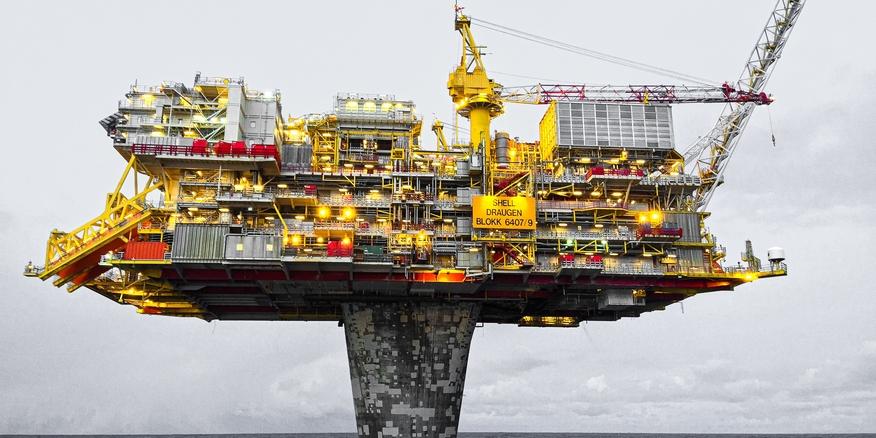
Another promising future technology involves the use of materials for spill containment purposes. While traditional methods rely on barriers and booms to contain spills,, new materials can potentially revolutionize this approach.
Scientists are working on creating materials that can attract oil while selectively pushing away water. These materials aim to be more efficient in ocean conditions to manage oil spills. By deploying these barriers, the impact of a spill can be minimized, safeguarding both the environment and offshore operations.
Alongside prevention and containment, upcoming technologies are focusing on improving cleanup methods. One innovative approach involves using drones and self-driving vehicles. Once a spill is detected these devices can be swiftly sent out to assess the affected area and pinpoint cleanup zones. Drones equipped with sensors and cameras deliver real time data for targeted responses. Autonomous vehicles like robots can administer dispersants. Gather oil, cutting down on time and resources required for cleanup efforts.

Another notable progress is seen in bioremediation practices, where microorganisms are employed to break down and neutralize natural oil. Biotechnology advancements could boost the efficiency of these microorganisms, enabling them to work under challenging circumstances. Engineered bacteria, for instance, could be tailored to thrive in deep-sea environments where traditional cleanup approaches fall short.
Accelerating the breakdown of oil bioremediation offers a less invasive approach to cleaning up spills.
Another upcoming trend in oil spill response strategies is incorporating intelligence (AI). By analyzing datasets, AI can detect patterns and forecast how an oil spill might spread based on factors like wind, currents, and temperature. This predictive ability enables decision-making in response efforts. AI also helps optimize resource distribution to target cleanup areas with the greatest impact. As AI technology advances, its role in managing oil spills is expected to grow.

Future innovations in oil spill technology include improvements in chemical dispersants. Traditional dispersants break down oil into droplets for degradation, but their toxicity has raised environmental concerns. New dispersants aim to reduce harm to life and ecosystems while still effectively responding to spills.
Additionally the oil industry is exploring the use of satellite technology, for detecting and monitoring spills.
Advanced imaging technology, on satellites can spot oil on water surfaces in cloudy conditions. This feature helps speed up the detection of spills leading to response times. Satellite data is also useful for monitoring the movement and spread of oil spills offering details for coordinating cleanup operations. With the evolution of satellite tech its role in managing oil spills is set to expand.
To sum up the future of oil spill technology in the drilling sector is characterized by innovation and a dedication to enhancing safety and environmental protection. Progress in monitoring, containment, cleanup and bioremediation shows promise in boosting the industrys capacity to prevent and address spills. As these technologies advance further the offshore drilling sector will be more prepared to handle the risks linked with oil spills ensuring an greener future, for both industry stakeholders and nature.
